
Win-back
Reconnect high-value users who have already lapsed. Their value is proven, so reaching them again is often more efficient than acquiring someone entirely new. Optimize for return, and for the first repeat action after return.
ORCA Ads · Remarketing
User acquisition finds new users. Remarketing reactivates high-value users you already have. ORCA Ads predicts value on every ad request and completes the bid in milliseconds. Win-back, reactivation, and monetization modes aim at different next actions in the lifecycle.
01 · Retention starts with a reason to come back
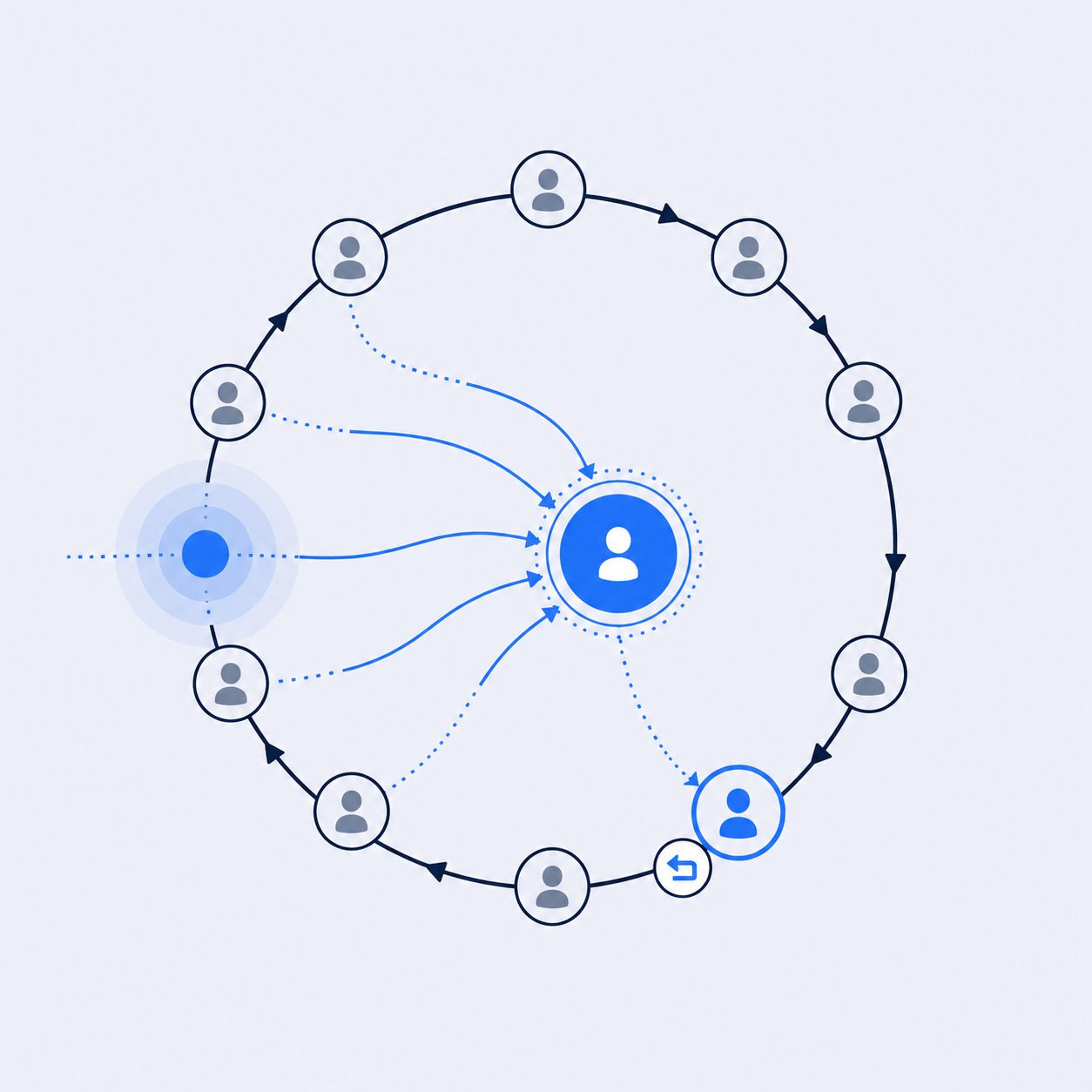
Users leave for different reasons. Generic reach rarely brings people back. Worth returning, the right moment, and a clear next action have to line up before remarketing spend has a chance of becoming incremental.
ORCA Ads turns behavior, value, and timing signals into operable lifecycle campaigns. The system scores user value on every request and decides in real time whether to bid. More spend goes to users more likely to return and create value again.

02 · One system, three jobs
Reconnect high-value users who have already lapsed. Their value is proven, so reaching them again is often more efficient than acquiring someone entirely new. Optimize for return, and for the first repeat action after return.
Wake dormant users before they leave for good. Use the inactivity window you set, together with behavioral signals. Optimize for restored activity and the key next action, before the relationship goes cold.
Grow value from users who are still active by supporting repeat purchases, upgrades, and higher transaction frequency. Optimize downstream revenue events, and use existing-customer suppression to spend less on people who would have converted anyway.
03 · From signals to recovered value
Set the outcome each campaign should drive: a return visit, a repeat purchase, a renewal, or another approved value event.
Separate users by recency, activity, value, and intent so each mode reaches the matching audience, instead of pushing the same message to everyone.
ORCA predicts value on every ad opportunity and completes the bid in milliseconds. The system scores both the likelihood of return and the value after return, and adjusts delivery as the inactivity window advances.
Evaluate what happened after the impression, isolate incremental return with holdout groups, and feed results into later audience and budget decisions.
04 · Built for lifecycle growth
Rank lapsed and dormant users by predicted value after return. Segments come from your own event history; include and exclude lists and frequency caps can apply before the bid.
Optimize toward return visits, repeat purchases, renewals, restored subscriptions, or in-app revenue. Any event your measurement partner can send back can become a remarketing goal.
Predict value on every request and bid in milliseconds. Targeting and timing adjust as inactivity windows advance and behavior changes.
Run multiple offers and messages by segment, and let results decide which set works better.
Apply the same remarketing method across multiple global ad exchanges and a large pool of independent apps. Inactivity windows and budgets can be set by market to reflect local return behavior.
Attribute through the measurement partners you already use, and run holdout groups to separate users who were truly won back from users who would have come back on their own.
05 · Value already earned, earned again
Give formerly active users a reason to come back. Spend aims at people more likely to return and act again.
Connect remarketing spend to the behaviors that keep value. After reactivation, the key is completing the next valuable action.
Reconnect users who showed intent and then stopped, timed to the window while intent is still there.
Constrain remarketing budget with incremental return. Bringing verified users back is usually more efficient than acquiring someone entirely new. Lifecycle spend belongs in the plan only after holdouts confirm the lift is real.
06 · Built for different lifecycle models

Bring lapsed players back for a new season, event, or feature, and keep growing value from active users.

Recover abandoned intent, and drive repeat purchases and higher order frequency.

Reactivate canceled or dormant subscribers, and support renewals.

Bring back customers who stalled after one order, timed to the next likely demand.
07 · Remarketing in practice
See how teams use ORCA Ads to score remarketing opportunities by user value, and put spend toward people more likely to come back.
A regional grocery marketplace found that many shoppers never returned after one order. A blanket discount across the whole lapsed group ate margin, and who came back was inconsistent. Win-back campaigns were rebuilt against an inactivity window tied to the typical reorder cycle, with the optimization event set to a completed reorder. The same budget started bringing back shoppers more worth bringing back.
"We used to spend as if every lapsed shopper deserved the same discount. After win-back was priced on reorder likelihood, budget went to people worth inviting back." — Head of Lifecycle Marketing
A subscription on-demand video service had treated every canceled account the same. Remarketing spend went to the largest reachable group, and people who would actually come back were not prioritized. Campaigns segmented by inactivity window and ranked by predicted reactivation likelihood. Reach got smaller; the economics got clearer.
"Reaching every cancellation is easy. Reaching the people who will actually come back is what changes spend efficiency." — Director of Retention Marketing
09 · FAQ
Acquisition is for finding new users. Remarketing brings back users you already have. Returning users have proven value, so reaching them again is often more efficient than acquiring someone entirely new.
Win-back (recover high-value users who have already lapsed), reactivation (wake dormant users), and monetization (grow value from active users). Each aims at a different segment and outcome.
Return visits, repeat purchases, renewals, restored subscriptions, in-app revenue, or any other value event your measurement partner can send back.
Read performance through the measurement partners you already use. Some lapsed users would have come back anyway, so campaigns need paired holdout groups to separate incremental return from organic comebacks after the impression.
Next step
Talk with us about the users you want back, the actions that actually matter, and how you measure return. We can assess how ORCA Ads remarketing connects to campaigns you already run around your lifecycle.
Prefer email?business@orcamobile.net